
What We are Reading This Year: 3 Books Changing How We Think About Pain, Pregnancy & Fatherhood
We love to learn and one of the most accessible places for satiating our curiosity about growing families, pregnancy, pain, and the human body is reading.
We love to learn—it's part of what keeps us fresh as massage therapists—and one of the most accessible ways to feed our curiosity about growing families, pregnancy, pain, and the human body is reading new books. (Plus, October is National Book Month!)
This year Jeanne picked a few favorites to share that I can’t wait to pick up for myself and I hope you enjoy too!
Expecting Better by Emily Oster
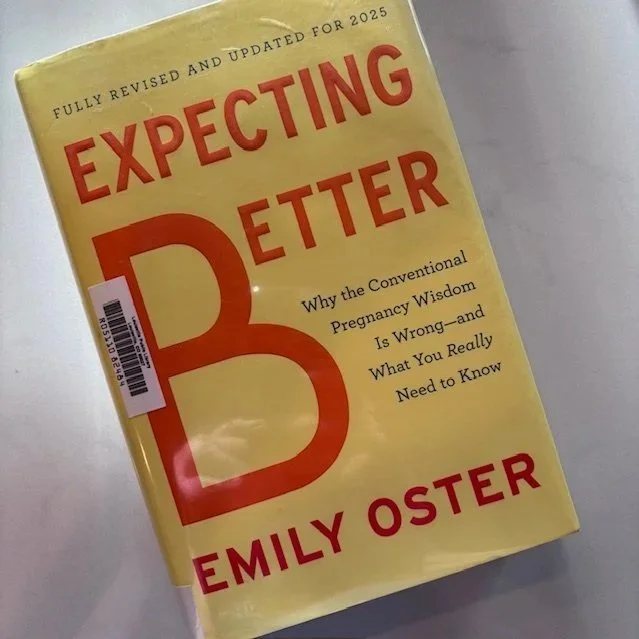
Emily Oster is an economist, mother of two, and author of four fantastic books about the nitty gritty data on growing your family. If you've been asking questions about the birthing process or expressing fears about pregnancy in our office, we've probably recommended one of her books.
When Oster became pregnant, she started asking all. the. questions. For many people, pregnancy is their first real interaction with the medical system. What happens when your doctors don't give you the kinds of answers you're looking for? Oster went down the rabbit hole of pregnancy data and summarized it for all of us. Can you drink coffee? Does sperm have magic labor-inducing properties? What are prenatal screenings really looking for, and are they safe and necessary? Do epidurals lower your baby's APGAR score? Does anyone actually transfer the vaginal microbiome to a cesarean-born baby, and why?
Oster's first book, Expecting Better (recently updated in 2025), discusses the pros and cons of decisions across all three trimesters, plus conception and labor. We find tremendous value in Oster's approach to available data: Does this happen frequently? How dangerous is it really? Are the studies recent and robust, or are they from 1952? She clearly drove her providers crazy with her relentless "why?"—but that questioning led to this evidence-based review of commonly held pregnancy practices.
Dr. Nathan Fox, MD, an OB and MFM specialist at Mount Sinai who collaborated on the book, says it's written in a way that is "both entertaining and understandable," unlike other medical texts by doctors. Each chapter tackles one topic at a time and ends with a bulleted summary, allowing you to skip sections that don't apply—though honestly, Oster's writing is so engaging that you might find yourself reading cover-to-cover despite your limited time as a new parent.
Oster has written four books that grow with families:
Expecting Better — conception to labor
Cribsheet — birth to preschool
The Family Firm — early school years
The Unexpected — navigating high-risk pregnancies
If you're one of our clients with a lot of "why's," these books might provide the comfort you're seeking. Oster's goal is helping pregnant people find the data they need to make the best choices for their families.
Tell Me Where It Hurts: The New Science of Pain and How to Heal by Rachel Zoffness, MD
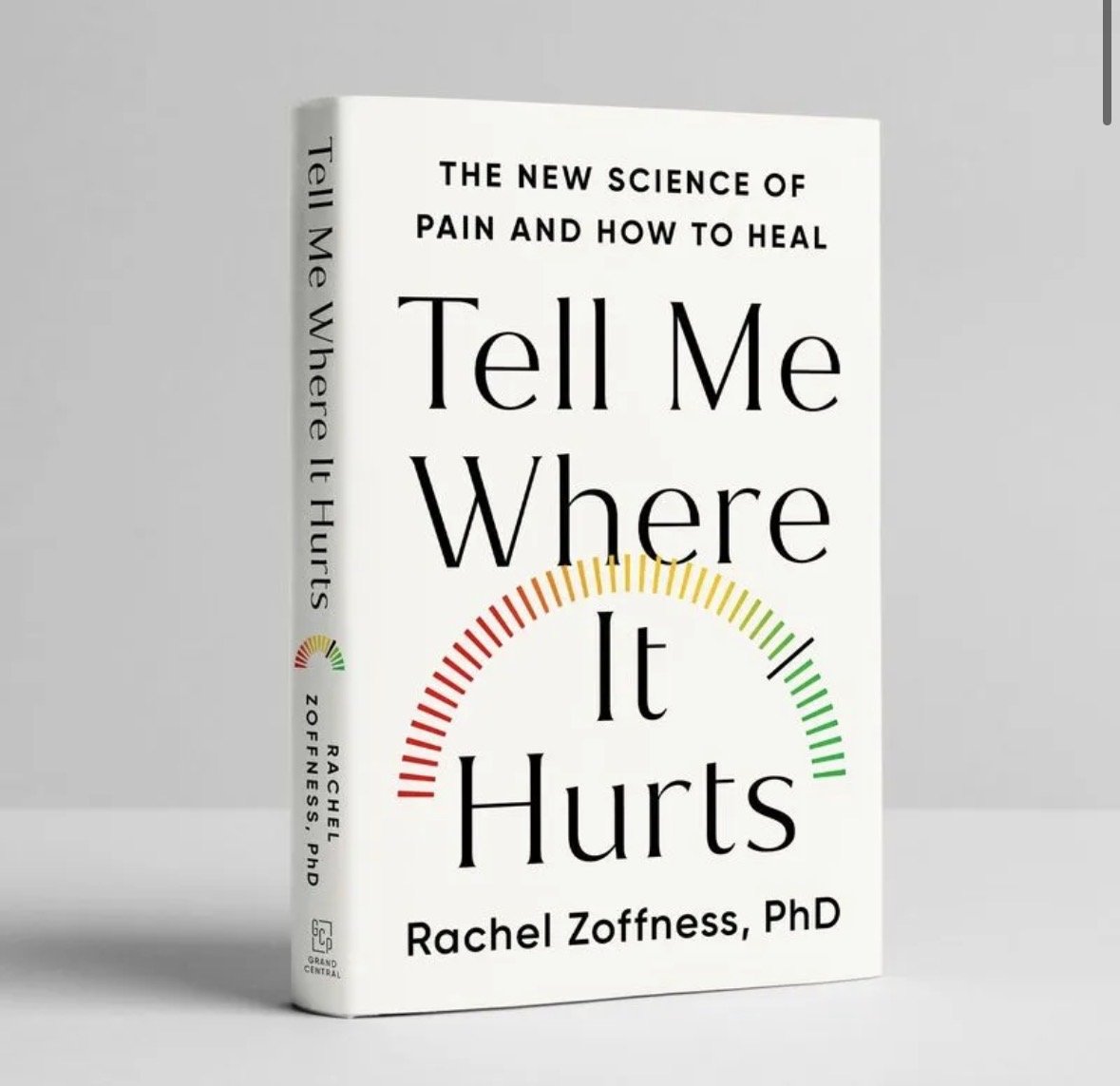
Most of our clients visit us at one time or another with complaints of lingering discomfort—sometimes from an injury, sometimes from a past pregnancy, sometimes even during their current pregnancy. In our practice we’ve noticed something about this pain, it is harder to manage when life is challenging. During times of stress and duress (think losing your job, supporting yourself during a hard pregnancy with other littles at home, moving), it is harder to manage all the things, and it is especially hard to manage pain. Your hip acts up, your old ankle injury has a flare up, or it’s simply harder to get your neck and shoulders to relax.
Tell Me Where It Hurts takes a "bio-psycho-social" approach, looking at the whole person. Dr. Zoffness is a pain psychologist and neuroscientist who helps you identify and modify your personal "pain recipe."
Chronic pain—defined as pain lasting more than 30 days—affects 100 million Americans. While pain is necessary as a warning signal, chronic pain gets your body stuck thinking there's danger when there isn't any. This bio-psycho-social approach integrates the physical (your body), emotional (thoughts, attention, distraction), and social (loneliness, isolation, gender, race, class) dimensions of your life.
We typically tell people to see a physician if their body hurts or a psychotherapist if they're emotionally unwell. But pain is both physical and emotional—you can't separate them. This isn't suggesting "it's all in your head," but rather acknowledging that your brain interprets these danger signals and sometimes gets confused.
The book includes compelling stories of pain, perception, and recovery—including a fascinating one about Olympian Usain Bolt and his untreated scoliosis. These stories are hopeful, following people who learned to change their relationship with pain and improve their daily lives. The second half becomes more workbook-like, where you can explore your own pain habits, beliefs, stressors, and joys to discover what helps you make positive changes in your "pain recipe."
Dad Brain: The New Science of Fatherhood and How It Shapes Men's Lives by Darby Saxbe
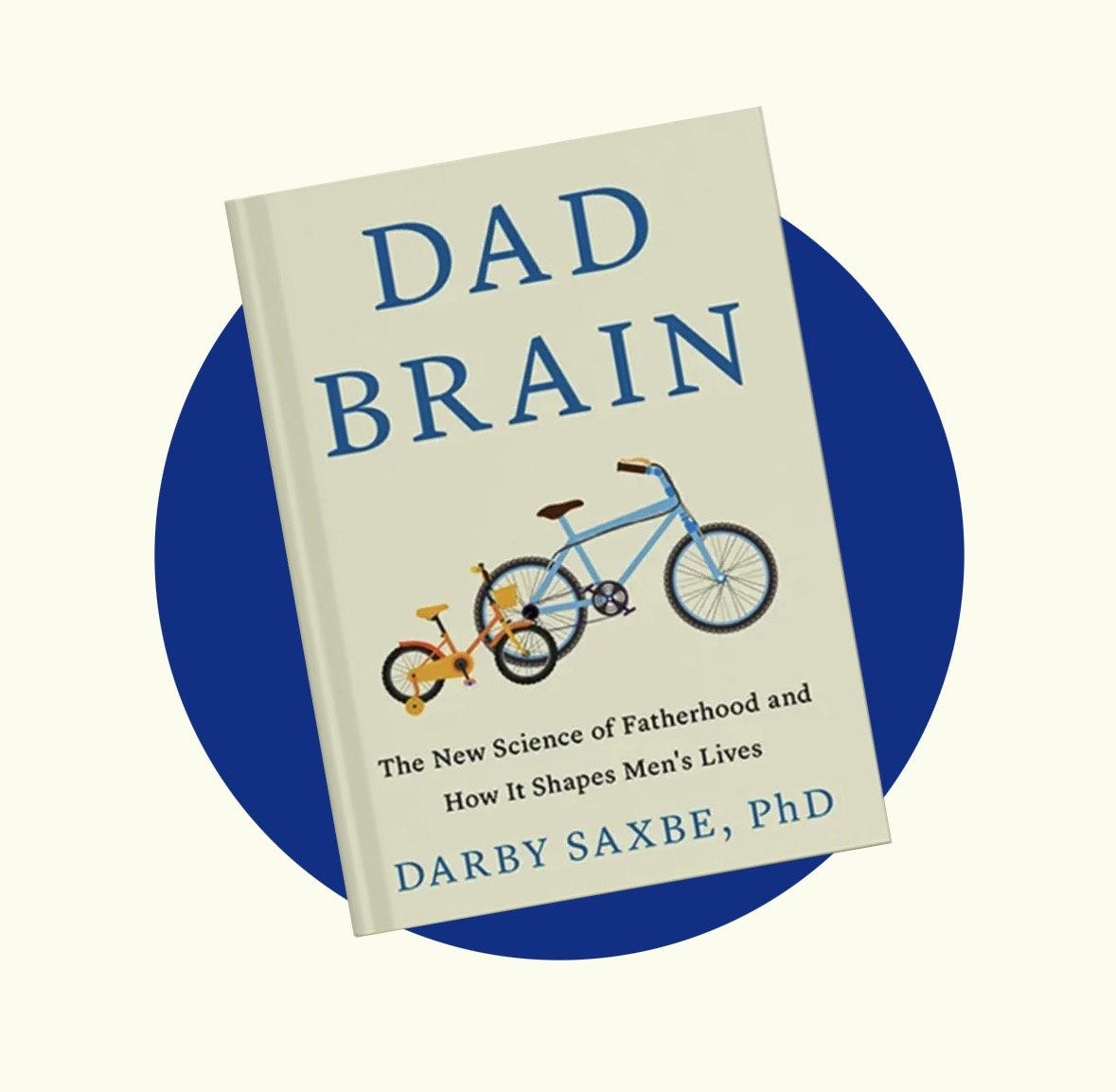
We often hear: "Do you see men? My partner needs a massage so badly." The answer is yes—we love working with men, especially new fathers. We were so excited when we learned about Darby Saxbe's book on fatherhood. Saxbe is a clinical psychologist and professor at USC who noticed an important gap: while most medical research is done on men, nearly 90% of parenting and parent-child bonding research focuses on women. There was virtually no data on how to understand men’s experiences in child rearing.
Saxbe breaks down myths about fatherhood by delving deep on biological changes. Here are some of the most interesting findings:
Hormones — Between conception and birth, men's testosterone drops. Elevated oxytocin and prolactin during the perinatal period predict bonding and motivation to parent in the early postpartum period.
Weight gain — "Dad bod" is real, not just a humorous trope. Males increase in body size during pregnancy, possibly because they evolutionarily need reserves in case of scarcity.
Postpartum depression — Mood disorders are 2x more prevalent in new fathers than the general population. Sleep deprivation, relationship stress, identity conflict, role confusion, and hormonal fluctuations create similar risk factors for both fathers and mothers.
Neural plasticity — Six months postpartum, men's brains show loss of grey matter volume—meaning the brain is pruning neural pathways and learning in areas of empathy and caregiving, similar to postpartum women's brains. This isn't loss of knowledge; it's adaptive plasticity.
Saxbe also addresses societal support, noting that anthropologists suggest our isolated, single-family dwellings aren't how we evolved to survive. We need community. Some countries—like Spain—better accommodate family rearing in daily life, with play structures near coffee houses where multigenerational male interaction happens. Sweden's generous paternity leave, which is lost if unused, helps normalize and destigmatize family leave for men.
Looking at the history of fatherhood, Saxbe traces men’s roles from the Hunter-Gatherer society to now, when male humans are the only male mammals involved in day-to-day care of offspring. We tend to see women as the only innate nurturers. But as any gender engages in parenting they learn, and then grow, the neurobiology to support that - anyone can be a nurturer. The summary of these studies shows the more that dads engage and enjoy, the more their brains mimic women’s primary caregiver brains and adapt for parenting supportively and interactively.
Chat with us about these super interesting reads at your next session and bring us your recommendations for what to read next!