Acupuncture During Pregnancy: Ancient Wisdom for Modern Pregnancy Discomforts
"I'm dealing with terrible nausea, and nothing seems to help. Would acupuncture be safe during pregnancy?" This question—or variations of it—comes up regularly with our pregnant massage clients at Mountain Mama Massage. Whether it's morning sickness, back pain, anxiety, or insomnia, many are curious about acupuncture but aren't sure if it's safe or effective during pregnancy.
Here's what I've learned from years of referring clients to skilled prenatal acupuncturists: this ancient practice can be incredibly supportive during pregnancy, addressing everything from first trimester nausea to preparing your body for labor.
Let me walk you through what prenatal acupuncture is, how it can help during pregnancy, and what to expect if you decide to try it.
What is Prenatal Acupuncture?
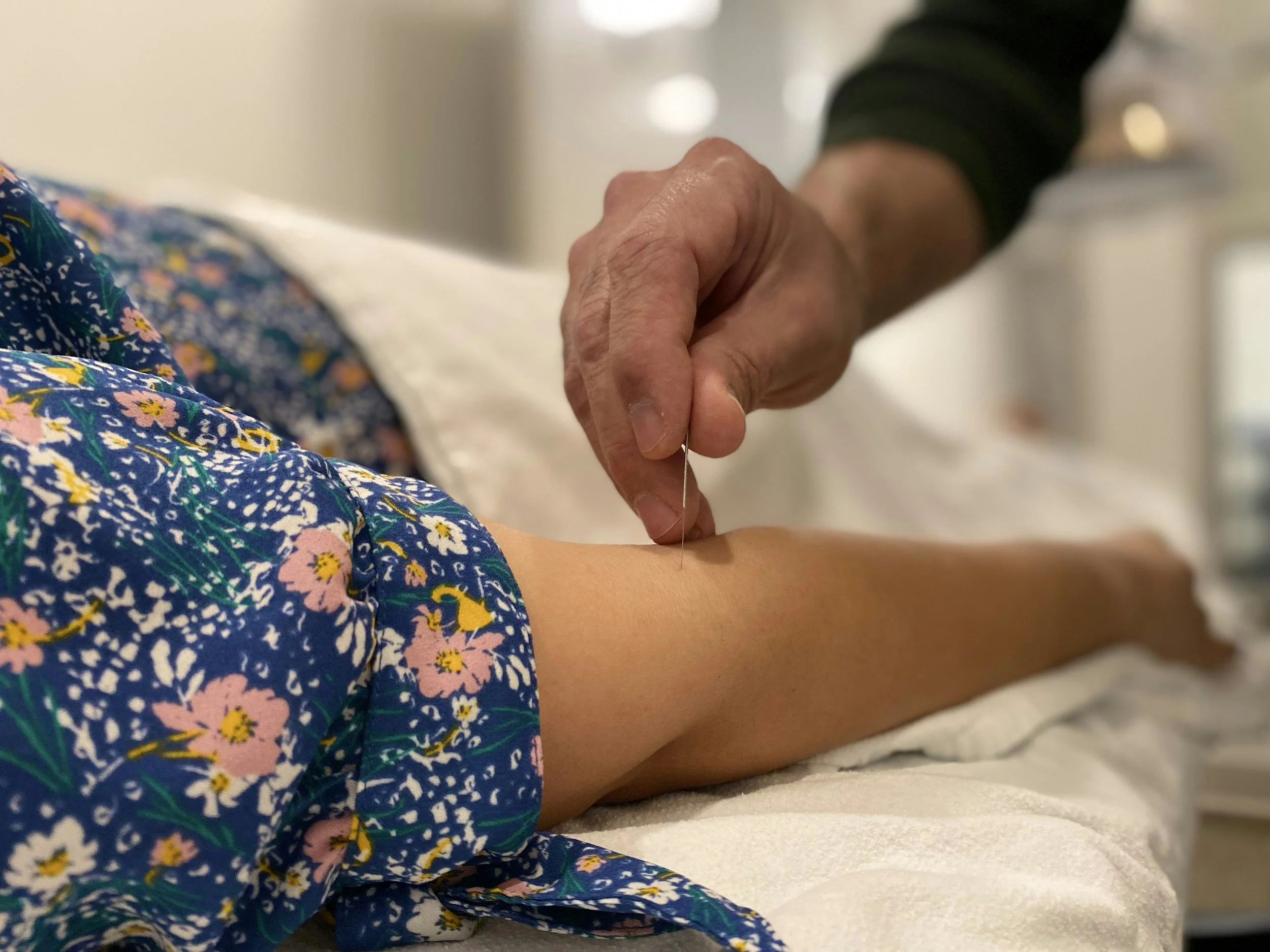
Acupuncture is a key component of Traditional Chinese Medicine (TCM) that has been practiced for thousands of years. It involves inserting very thin, sterile needles into specific points on the body to influence the flow of qi (pronounced "chee")—the vital energy that TCM practitioners believe moves through pathways called meridians in our bodies.
When qi flows smoothly, we experience health and balance. When qi becomes blocked or imbalanced, we may experience pain, illness, or discomfort.
Acupuncture aims to restore this balance by stimulating specific points along the meridians.
Prenatal acupuncture applies these same principles specifically to pregnancy. Acupuncturists trained in prenatal care understand which points are safe during pregnancy, which points can support specific pregnancy discomforts, and which points to avoid (yes, there are certain acupuncture points that shouldn't be stimulated during pregnancy!).
Just as we talked about in my blog on the autumn season and Traditional Chinese Medicine, TCM sees the body as an interconnected system where physical, emotional, and energetic health are all related. This holistic approach makes acupuncture particularly well-suited to pregnancy, when your whole body is in a state of transformation.
How Acupuncture Can Support You During Pregnancy
Based on both traditional use and modern research, acupuncture during pregnancy may help with:
First Trimester: Nausea and Morning Sickness
This is probably the most well-known use of prenatal acupuncture. Many people find relief from nausea and vomiting through regular acupuncture treatments. There's even a specific acupressure point (Pericardium 6, on the inner wrist) that you can stimulate yourself with acupressure bands—those are based on acupuncture principles!
Throughout Pregnancy: Pain Management
Lower back pain, pelvic pain, sciatica, round ligament pain, carpal tunnel syndrome, and headaches can all potentially be addressed with acupuncture. Many of my clients who want to minimize medication during pregnancy find acupuncture helpful for managing discomfort.
If you have more mild pregnancy aches, consider joining our Partner Massage Essentials for Pregnancy asynchronous workshop so that your partner can quickly learn simple massage skills to nurture you and baby throughout pregnancy.
Emotional and Mental Wellbeing
Pregnancy anxiety, stress, insomnia, and mood changes are common experiences. Acupuncture can help calm the nervous system and promote relaxation. Many clients tell me they sleep better the night after an acupuncture session.
Digestive Issues
Beyond morning sickness, acupuncture may help with heartburn, constipation, and other digestive discomforts that are so common during pregnancy as your organs get compressed and hormones affect digestion.
Breech Baby Positioning
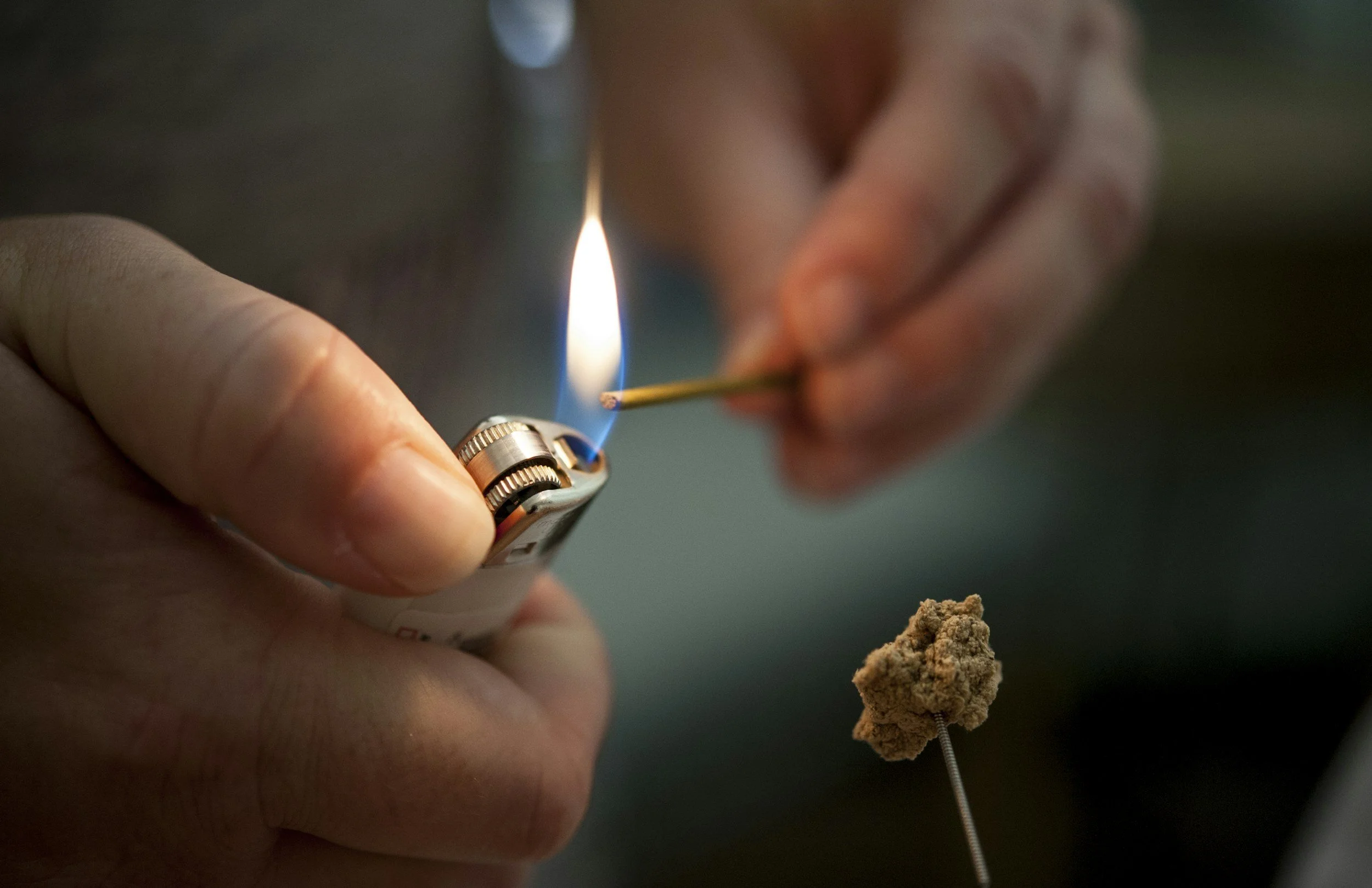
Moxibustion—a technique that involves burning an herb called mugwort near specific acupuncture points (usually on the little toe!)—has been traditionally used to encourage breech babies to turn head-down. While research results are mixed, many practitioners and families have positive experiences with this approach, especially when combined with other positioning techniques.
Preparing for Labor
Some acupuncturists offer "pre-birth" treatments in the final weeks of pregnancy designed to help prepare your body for labor. These treatments may focus on cervical ripening, optimal baby positioning, and promoting relaxation before the big day.
Labor Induction Support
If you're past your due date, acupuncture is sometimes used to help encourage labor to begin naturally. While it's not a guarantee, many providers recommend trying acupuncture before moving to medical induction if you and baby are healthy.

“Prenatal acupuncture can safely support you at every stage of pregnancy.
In the first trimester the focus is on miscarriage prevention and relieving any symptoms of morning sickness, digestive issues, insomnia and fatigue.
In the second trimester we’ll work to support your general health and well-being and address issues like musculoskeletal pain and gestational diabetes prevention.
The third trimester is all about keeping you comfortable and addressing any issues that arise such as a breech position fetus.
Labor preparation starting at week 37 helps with cervical ripening and dilation and promoting the natural onset of labor.”
Karen Lang, DAc, LAc, FABORM is a licensed acupuncturist and owns Karuna Acupuncture in Longmont. With over a decade of experience she specializes in fertility, pregnancy and reproductive health. www.karunalongmont.com
Is Acupuncture During Pregnancy Safe?

This is always the first question, and it's a good one! When performed by a licensed acupuncturist trained in prenatal care, acupuncture is considered safe during pregnancy.
That said, it's important to:
Choose a prenatal-trained acupuncturist – Just like massage therapists, not all acupuncturists specialize in pregnancy care. Look for someone with specific training and experience treating pregnant clients. Check out our resource page with trusted local practitioners if you need a place to start.
Inform them you're pregnant – Even if it seems obvious! Your acupuncturist needs to know your trimester and any pregnancy complications.
Avoid certain points – A trained prenatal acupuncturist knows which points to avoid during pregnancy, as some can potentially stimulate uterine contractions.
Check with your provider – As with any complementary therapy during pregnancy, let your midwife or OB know you're considering acupuncture, especially if you have pregnancy complications.
If you are nervous about the needles, keep in mind these are not the needles you have seen during vaccines or blood draws. The needles used in acupuncture are incredibly thin—much thinner than the needles used for blood draws or injections. Most people describe feeling a slight pinch or tingling sensation, if anything at all.
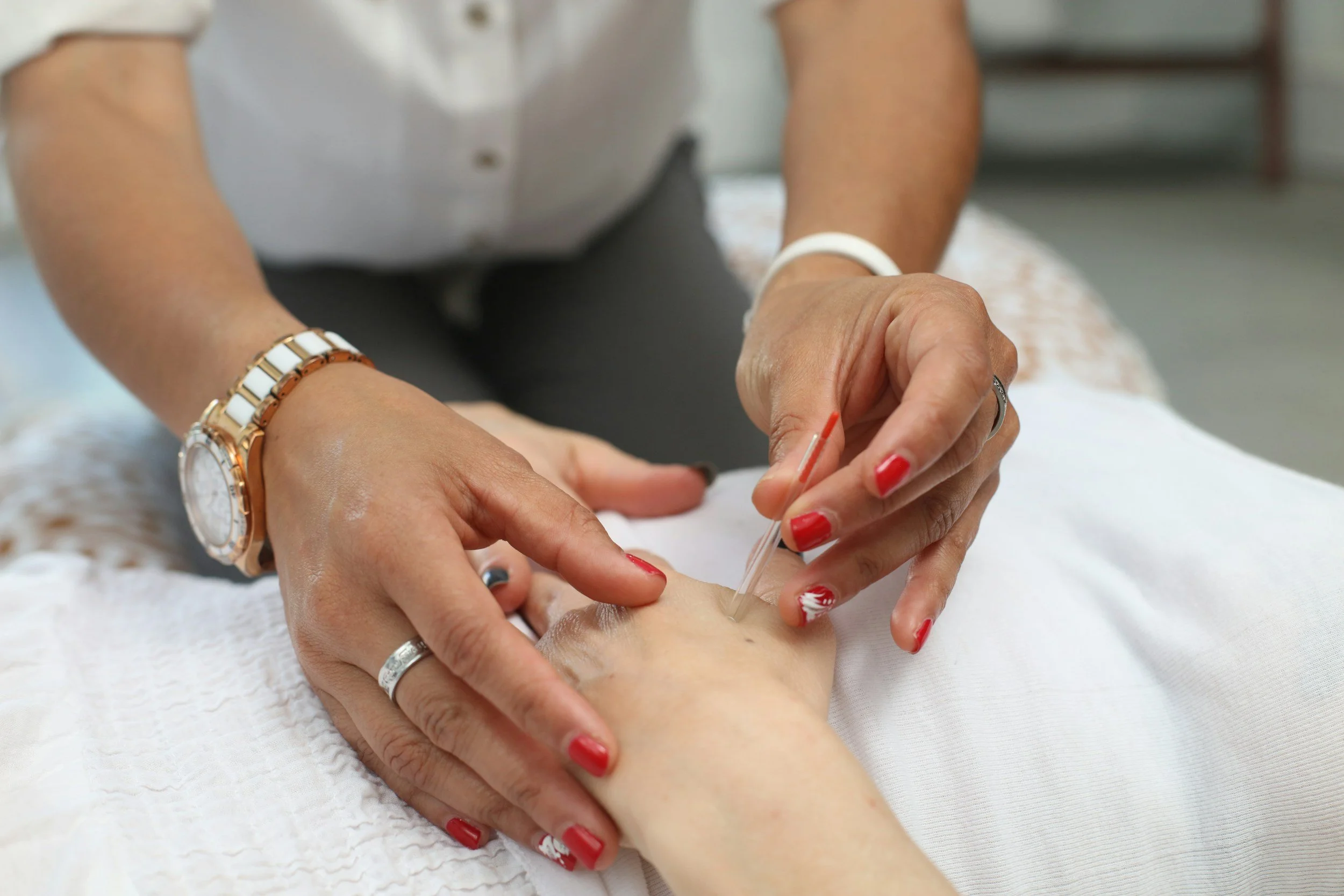
“Traditional East Asian Medicine - including both acupuncture and herbal medicine - can be not only safe, but highly beneficial from preconception through postpartum when provided by a licensed and experienced practitioner. Regular treatment can help support the wide range of physical and emotional changes that occur throughout the fertility, pregnancy, and postpartum journey, from fertility optimization and hormone regulation to common concerns such as nausea, fatigue, headaches, insomnia, stress, and musculoskeletal discomfort, lactation support, and even the management of breech presentation and preparation for labor and delivery.”
Kate Blalack is a nationally certified Acupuncturist and Chinese herbal medicine practitioner in Boulder, CO since 2007 with a special interest in working with women and families, including acupuncture for fertility, menstrual problems, pregnancy, and postpartum
Who Might Benefit from Prenatal Acupuncture?
In my experience working with pregnant clients, several groups tend to seek out acupuncture during pregnancy:
Those with Severe Morning Sickness – If you're experiencing nausea and vomiting that's affecting your daily life and nutrition, acupuncture can offer relief without medication.
People with Chronic Pain or Migraines – If you dealt with pain conditions before pregnancy and can't take your usual medications, acupuncture provides a drug-free alternative.
Those Seeking Natural Pain Relief – If you're hoping to minimize medication use during pregnancy, acupuncture can be part of your pain management toolkit.
People Experiencing Congestion - If you have congestion related to seasonal allergies, a recent head cold, or even just the increased fluid volume of pregnancy, acupuncture can help restore balance without medications.
People Experiencing High Stress or Anxiety – If pregnancy has brought increased anxiety or you're having trouble sleeping, acupuncture's calming effects can be incredibly helpful.
Those with Previous Positive Experiences – If acupuncture has helped you in the past (for fertility, pain, stress, or other issues), continuing treatments during pregnancy makes sense.
Breech Baby at 32+ Weeks – If your baby is breech in the third trimester and you're interested in trying natural turning techniques, moxibustion combined with positioning exercises may be worth exploring.
Those Approaching or Past Due Date – If you're hoping to encourage labor naturally or your provider is discussing induction, acupuncture can be a gentle first step. Most acupuncturists recommend starting this work by the 36th or 37th week of pregnnacy.
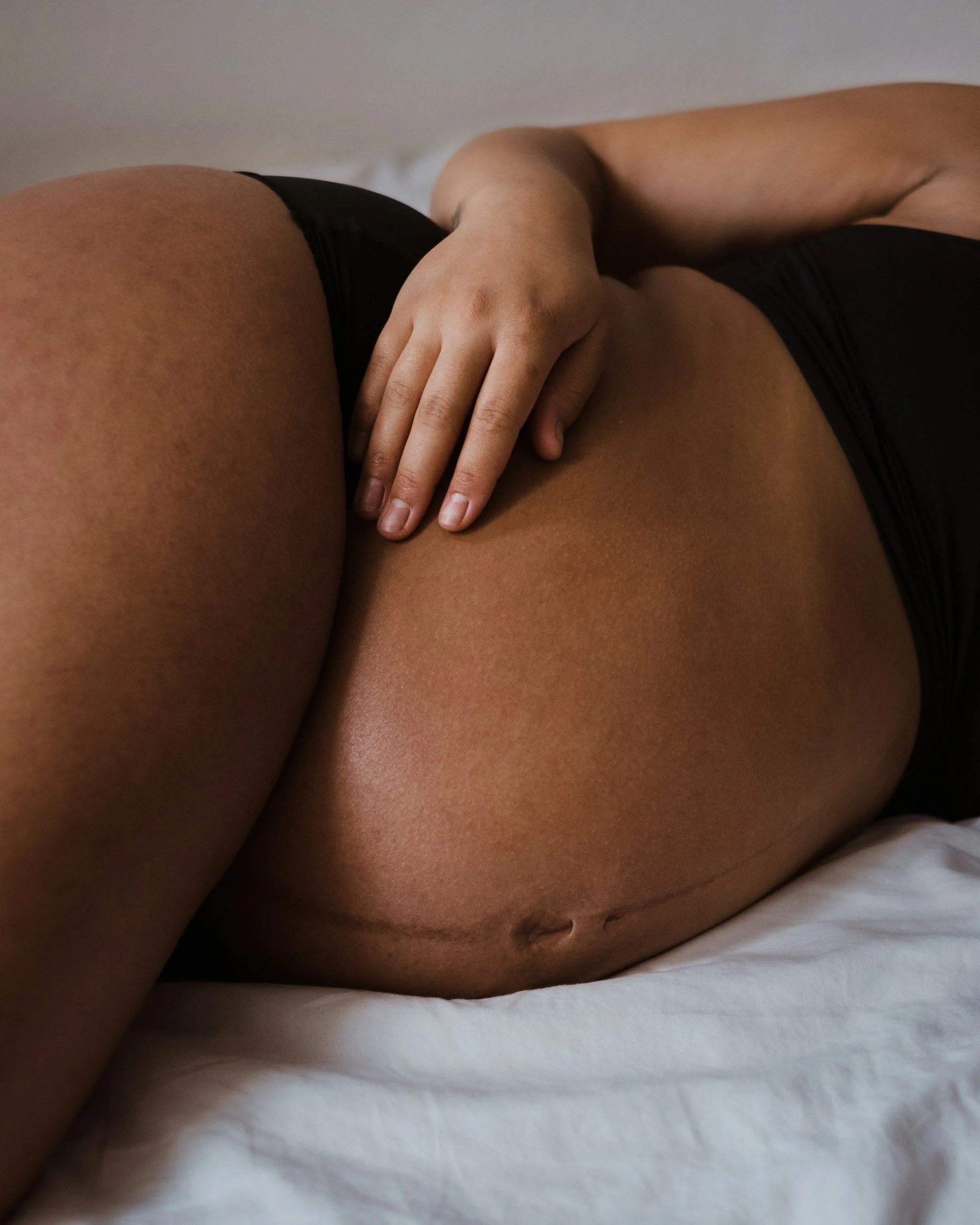
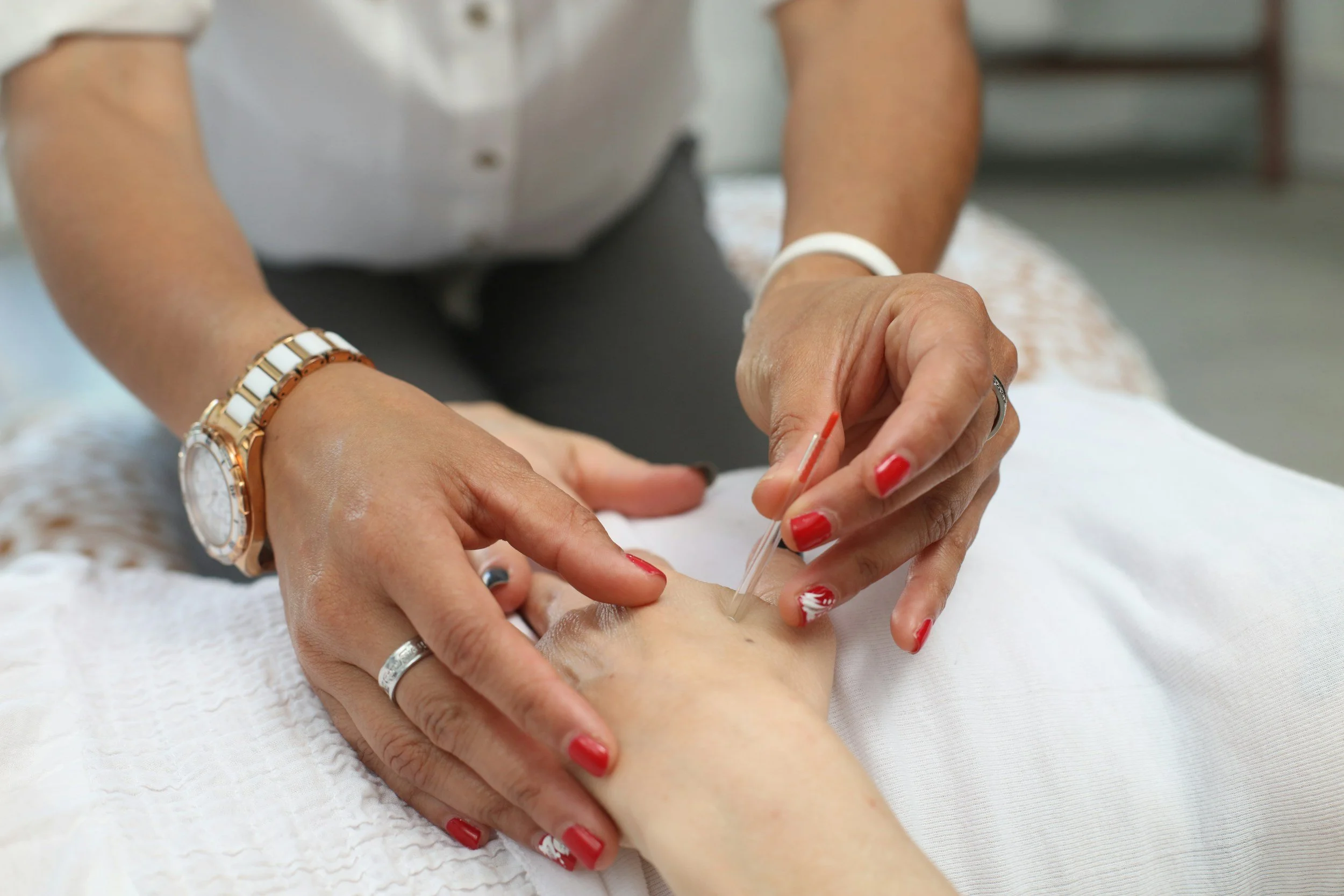
"If you are in the later stages of your pregnancy, you might find your rings no longer fit and your hands fall asleep at night. Late-pregnancy swelling (edema) and pregnancy-induced carpal tunnel syndrome are incredibly common. But just because they are common, that doesn’t mean you have to simply endure until your birth. Acupuncture can help relieve this condition. Most clients experience a noticeable reduction in hand numbness and tingling within the first few sessions, leading to significantly better sleep. While some mild swelling is normal in the third trimester, acupuncture can keep it manageable, preventing the painful, tight skin sensation and heaviness that makes the final weeks uncomfortable.”
“Simba” Eun-Hye Shim has been a licensed acupuncturist specializing in pregnancy acupuncture, postpartum care, fertility support, and gynecology. Her practice has been integrated into Boulder Birth and Holistic Health since 2021.
What to Expect at a Prenatal Acupuncture Appointment
Your first acupuncture session will typically be longer than follow-up visits and includes:
Detailed health history – Your acupuncturist will ask about your pregnancy, any discomforts, your overall health, and what you hope to address with treatment.
Tongue and pulse diagnosis – In TCM, the tongue and pulse provide important information about your body's balance and qi flow.
Treatment plan discussion – Your acupuncturist will explain which points they'll use and why.
Needle insertion – You'll usually recline comfortably or be positioned in side-lying just like in your massage or for sleeping- often with a pregnancy pillow for support- while very thin needles are inserted at specific points. This typically takes just a few minutes.
Rest period – The needles stay in place for 20-30 minutes while you rest. Many people find this deeply relaxing and even fall asleep!
Needle removal – Quick and painless.
Most acupuncturists recommend weekly treatments for active issues, with the frequency adjusted based on your response. Some people continue regular "maintenance" treatments throughout pregnancy, while others seek acupuncture only once or twice a trimester for specific issues as they arise.
Combining Acupuncture with Other Pregnancy Support
I love how beautifully acupuncture works alongside other forms of prenatal care. Many of my clients see an acupuncturist regularly while also receiving prenatal massage, chiropractic adjustments, and practicing prenatal yoga.
Think of it as building a comprehensive support team: acupuncture addresses energetic flow and specific symptoms, massage eases muscle tension and promotes circulation, chiropractic optimizes skeletal alignment, and yoga builds strength and mindfulness. Together, these modalities support your whole self—body, mind, and spirit—during pregnancy.
Finding a Prenatal Acupuncturist
When looking for an acupuncturist during pregnancy, I recommend:
Seeking someone with prenatal training and experience – Ask specifically about their training in treating pregnant clients.
Verifying their credentials – Look for Licensed Acupuncturists (L.Ac.) who have completed accredited training programs.
Asking about their approach – Do they have experience with the specific issue you're hoping to address?
Considering location and availability – Weekly treatments are common, so choose someone accessible to you
Trusting your comfort level – You should feel heard and at ease with your acupuncturist.
Check our Client Resource page for local acupuncturists we trust and recommend!
Insurance Coverage
Many insurance plans now cover acupuncture, though coverage varies widely. Some plans cover acupuncture for specific conditions (like chronic pain), while others include it as part of alternative medicine benefits.
It's worth checking with both your insurance company and potential acupuncturists about coverage and payment options.
Acupuncture as Part of Your Pregnancy Wellness
Pregnancy brings such profound changes to your body, and with those changes often come discomforts both expected and unexpected. You don't have to just endure morning sickness, back pain, anxiety, or sleepless nights. Acupuncture offers a time-tested, holistic approach to supporting your body through this transformative time.
Whether you're dealing with specific pregnancy symptoms or simply want to support your overall wellbeing as you prepare for birth, prenatal acupuncture might be exactly what your body is asking for.
And here's what I've noticed over the years: clients who incorporate acupuncture into their pregnancy care often report feeling more balanced, more comfortable, and more connected to their bodies during this journey. That connection and comfort? That's valuable beyond measure.
Have you tried acupuncture during pregnancy? I'd love to hear what brought you to it and how it helped! Share your experience next time you're in for a massage, or send me an email at hello@mountainmamamassage.com.
Your pregnancy journey deserves comprehensive, nurturing support. 💚