Honoring Grief and Embracing Autumn's Letting Go Energy
As autumn settles in around us, this season offers a unique opportunity to work with the natural rhythm of letting go. Whether you're ready to tackle that cluttered drawer, clear out a whole room, or engage more deeply with the grief you've been carrying, fall's energy supports both practical and emotional release.
Fall Season in Traditional Chinese Medicine

Did you know that, in Traditional Chinese Medicine (TCM), each season corresponds to specific meridians and energetic qualities? Fall is associated with the Lung and Large Intestine meridians, and its predominant emotions are grief, sadness, and letting go.
When these meridians are in balance, we can release what no longer serves us, creating space for renewed energy and vibrance. This might manifest as clearing physical clutter from our homes or releasing old patterns of behavior and thought.
When the Lung and Large Intestine meridians are out of balance, we may find ourselves stuck—wallowing in sadness, clinging to memories, or becoming more susceptible to physical ailments like coughs, constipation, and general fatigue.
Leaning into Autumn's Natural Rhythm
Perhaps you're already honoring this letting-go energy in simple ways: decluttering a kitchen drawer, donating clothes from a former version of yourself, or even tackling those old boxes in the basement. Like the trees releasing their leaves, we can harness fall's natural energy to create space in our lives.
But maybe this year has brought deeper grief that calls for more intentional attention.
Walking with Clients Through All Seasons

At Mountain Mama Massage, we accompany clients through every season of life. While many people first discover us during the joyful time of growing their family, we work with clients for years as life unfolds—and life inevitably brings grief in many forms.
We all encounter both large and small losses: the death of a parent, pet, or relative; the end of a friendship or close relationship; identity shifts (like the transition from maiden to mother); job loss; missed opportunities; pregnancy loss. Our massage therapists are human too, and this past year several have experienced significant losses with the deaths of beloved family members.
Fall can be an especially beneficial season to give extra attention to the grief we've experienced throughout the year, engaging with rituals that help us process these losses as we move into winter's darker months.
Simple Grief Rituals
Rituals that encourage us to honor our grief rather than push it away can be simple and beautiful:
Intentional Remembering

Gather with others who knew your loved one or who are willing to hear their stories. Share memories and enjoy foods they loved. I have a great uncle who was famous for his love of desserts—my family still memorializes him by sharing ice cream sundaes in his honor whenever we're together.
Lighting a Candle or Creating an Altar
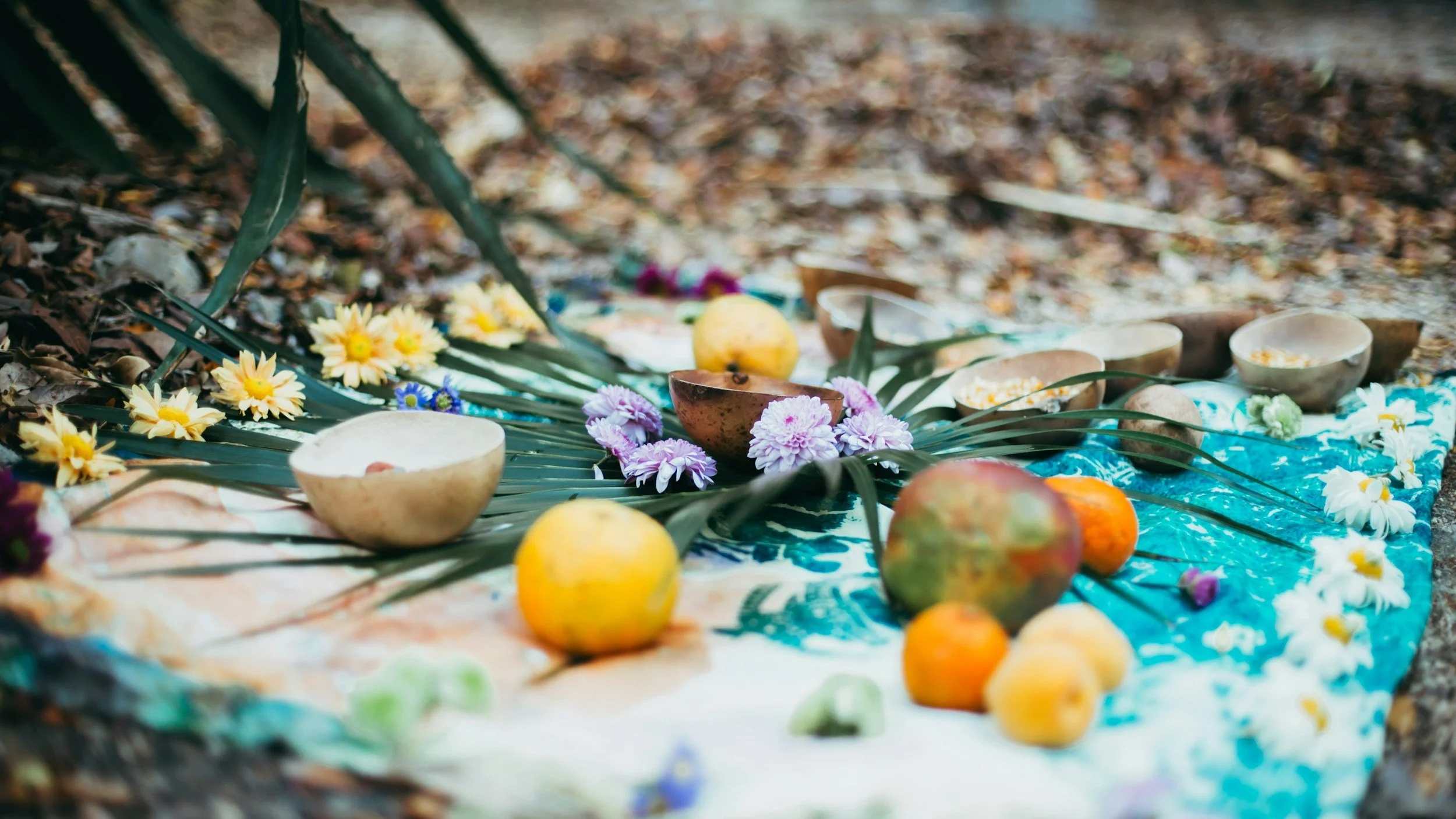
Many cultures practice lighting candles or building altars for the deceased, but this ritual works equally well when grieving changes in identity or circumstances. An altar, for this purpose, is any intentional space you create to honor a person, event, or circumstance—it might also include items representing the next phase of your journey.
Altars can be any size and include anything meaningful to you: natural objects, photographs, quotes, or mementos. Remember, this space is for you alone, so nothing needs to "make sense" to anyone else. Home altars work best in safe spaces where you'll see them regularly or can sit nearby. You can also create outdoor altars with intentional impermanence in nature.
Speaking to Loved Ones

Write letters or speak aloud to someone who has died to feel closer to them. In Japan, a man created a "wind phone"—a disconnected telephone in his garden where people could "call" deceased loved ones. This idea has spread, and wind phones now exist throughout the US.
Fundraising in Honor

Many people run races or complete athletic challenges while fundraising for causes close to their loved one's heart or related to their passing. Even without fundraising, hiking or spending time in nature can be deeply therapeutic.
Physical Movement as Ritual

A long pilgrimage may not be accessible to this moment in your life, but perhaps you could go for a local hike. One solo hiking ritual I use focuses on grief and memories during the outbound journey. At the turning point, I pause to contemplate or create a small natural altar. On the return trip, I shift my attention to how I want to live this person's memory forward or integrate the changing identity or circumstance into my life.
Journaling

Writing remains one of the most accessible ways to process emotions. Set aside dedicated time for deep journaling about your grief. Some helpful prompts include:
Create a timeline of significant moments with the person who died
Describe a favorite memory and how it made you feel
Think of a song that reminds you of your loved one (or the loss you're grieving) and explore why this connection exists
Connecting Through Grief

In American culture, grief often remains hidden, treated almost like a contagious illness. This feels normal to us, but many other cultures approach grief as a communal experience, expecting those who've suffered close losses to take approximately two years to fully integrate their loss.
If opening up about your grief feels right, look for people around you who might want to share this journey, or seek community support through organizations like the Center for Somatic Grieving or Grief Pilgrim.
Pregnancy and Infant Loss Rituals

October is Pregnancy and Infant Loss Awareness Month. If this experience is part of your story, our clients have shared several rituals over the years that have been meaningful to them:
Planting a tree in memory of your pregnancy or baby
Creating an altar space in your home with meaningful items for remembrance
Taking a ritual hike or engaging in quiet physical activity for remembrance— carrying ashes or a memento if that feels appropriate
Creating art for yourself or to share with others
Locally, we are fortunate to have access to private individual therapy and community support groups that welcome those who've experienced pregnancy or infant loss. Please see our Grief Resources: Miscarriage and Infant Loss Support for options accessible locally, globally, and resources for those who would like to grieve in private.
Honoring Your Unique Grief Journey
Every person grieves differently, and nothing about grief needs to follow a linear path. If any of these rituals resonates with you, we're glad to offer support. If you have ways of integrating grief that you'd like to share, we'd love to hear from you—we're always learning from our clients.
This fall, whether you're clearing physical clutter or tending to emotional landscapes, remember that both are valid ways to honor the season's invitation to let go and make space for what's to come.