What Does a Birth Doula Do? Your Guide to Doula Support During Labor and Delivery
"Should we hire a birth doula?" This is one of the questions I hear most often from pregnant clients, especially first-time parents who are preparing for labor and delivery. If you're researching birth support options and wondering whether a doula is right for you, you're in the perfect place.
As someone who has worked in the birth and postpartum world for over a decade, I've seen firsthand how transformative doula support can be during labor. But I've also noticed there's a lot of confusion about what doulas actually do—and maybe more importantly, what they don't do.
Let me break down everything you need to know about birth doulas so you can decide if this type of support is right for your family.
What is a Birth Doula?

A birth doula is a trained professional who provides continuous physical, emotional, and informational support to a birthing person and their partner before, during, and immediately after childbirth.
Here's the key word: continuous. Unlike nurses who care for multiple patients during their shifts or midwives and doctors who arrive for key moments, a doula stays with you throughout your entire labor.
They're your dedicated support person from the moment you need them until after your baby arrives.
The word "doula" comes from ancient Greek, meaning "a woman who serves." Today, doulas of all genders provide this service, though the essence remains the same: someone who serves and supports you through the transformative experience of birth.
Experienced doulas Haley McNabb and Jessica Fawcett beautifully capture what makes doula support so transformative:

"Doula support offers many benefits: educational guidance, emotional reassurance, physical comfort measures, and advocacy. But the true power of doula support goes beyond any single technique—it's the value of skilled continuous presence and the profound sense of safety it creates in both the birth space and the birthing body."
— Haley McNabb and Jessica Fawcett, birth doulas with a combined 16 years experience and founders of Beheld Birth Doula + Prenatal Yoga Teacher Training
What Does a Birth Doula Actually Do?
Before Labor: Prenatal Support
Most doulas meet with you one or two times before your due date to get to know you, discuss your birth preferences, answer questions, and create a plan for how they'll support you. They become familiar with your hopes, fears, and values around birth so they can advocate for your wishes when you're in labor.
During Early Labor: On-Call Support
When you think labor might be starting, your doula is available by phone to help you assess what's happening and decide when it's time for them to join you. This early guidance can be invaluable, especially for first-time parents wondering "Is this really it?"
During Active Labor: Hands-On Support
This is where doulas truly shine. Throughout your labor, your doula provides:
Comfort measures: massage, counter-pressure, positioning suggestions, breathing techniques, and encouragement
Physical support: helping you change positions, use the birth ball, get in and out of the tub, or walk the halls
Emotional reassurance: reminding you of your strength, normalizing what you're experiencing, and providing a calm, grounding presence
Partner support: suggesting ways your partner can help, giving them breaks when needed, and helping them feel confident in supporting you
Communication facilitation: helping you understand what your medical team is saying and ensuring your questions are answered and preferences are respected so that you, your partner, and your providers can flow with the changes in your individual labor
Immediately After Birth: The Golden Hour
Your doula stays for an hour or two after your baby arrives, helping with initial breastfeeding or chestfeeding if desired, ensuring you have food and water, taking photos, and making sure you're settled before they leave.
After Birth: Postpartum Check-In
Most doulas include a postpartum visit to check on how you're doing, process the birth experience, and answer any questions about recovery or newborn care.
What a Birth Doula Doesn't Do
It's equally important to understand what doulas don't do:
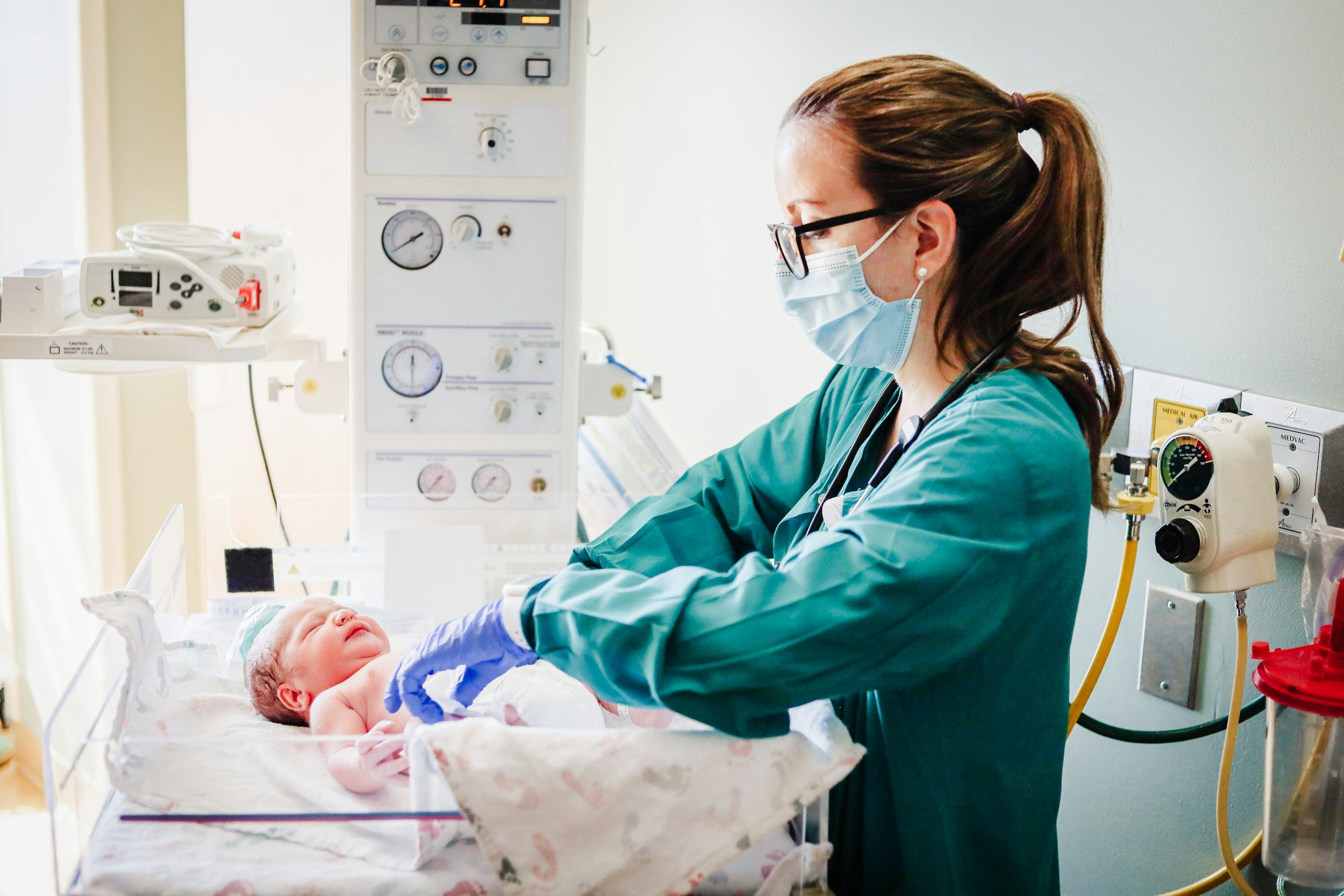
They don't provide medical care – Doulas don't perform clinical tasks like checking dilation, monitoring fetal heart tones, or making medical decisions
They don't replace your partner – Doulas enhance your partner's support, not replace it
They don't make decisions for you – Doulas provide information and support, but all decisions remain yours
They don't guarantee a specific outcome – Doulas support whatever birth unfolds, whether it's an unmedicated birth or an unexpected cesarean (and planned cesarean births too!)

“Every birth can benefit from a doula—first baby or fourth, medicated, unmedicated, or planned cesarean. Doulas provide steady emotional support, advocacy, and evidence-based guidance so families feel informed, supported, and empowered. Research shows doula support improves birth outcomes.
Tip: hire your doula early—most work on a flat fee.”
- Lisa Waldo, a birth and postpartum doula with over 37 years of experience and the founder of Balanced Beginnings Doulas, the longest standing birth and postpartum doula group in Colorado.
The Research: Why Hire a Birth Doula?
The evidence supporting doula care is compelling. Research consistently shows that continuous labor support from a doula is associated with:

Shorter labors
Decreased use of pain medication and epidurals
Lower rates of cesarean births
Lower rates of assisted deliveries (forceps or vacuum)
Higher satisfaction with the birth experience
Better breastfeeding initiation
These aren't guarantees—every birth is unique—but the statistics suggest that doula support makes a meaningful difference in birth outcomes and experiences.
Who Benefits from Having a Birth Doula?
In my experience, several types of families particularly benefit from doula support:
First-Time Parents – If you've never given birth before, having someone who has attended dozens or hundreds of births can provide invaluable reassurance and practical guidance.
Those Wanting Unmedicated Birth – If you're hoping to labor without an epidural, doulas are skilled in comfort measures and positioning that can help you work through contractions.
Those Desiring Emotional Support – If you have anxiety about birth, experienced trauma in the past, or simply want extra emotional grounding, the right doula can provide a continuous calm presence.
Partners Who Want Support Too – Many partners feel uncertain about how to help during labor. Doulas guide partners in providing meaningful support while also taking some pressure off them. I often see partner hire a doula reluctantly and then after the birth be the biggest advocate for hiring a doula - telling all their friends they need this birth support too!
Those Birthing at Hospitals – Hospital nurses are wonderful but often care for multiple patients. A doula ensures you have one-on-one attention throughout labor.
Those with Previous Difficult Births – If your first birth was traumatic or didn't go as hoped, a doula can help you feel more prepared and supported through a different experience.
Anyone Wanting Informed Decision-Making – Doulas help you understand your options so you can make choices aligned with your values, even when plans change.
Different Types of Birth Doulas
Not all doulas are the same! Here are some distinctions you might encounter:
Certified vs. Experienced – Some doulas pursue certification through organizations like DONA International, while others train through apprenticeship or experience. Both can be excellent.
Community Doulas – Some programs offer free or low-cost doula services to underserved communities.
Volunteer Doulas – Doulas in training often offer free or reduced-cost services to build experience.
Specialized Doulas – Some doulas specialize in certain types of births: home birth, hospital birth, VBAC (vaginal birth after cesarean), or supporting specific communities.
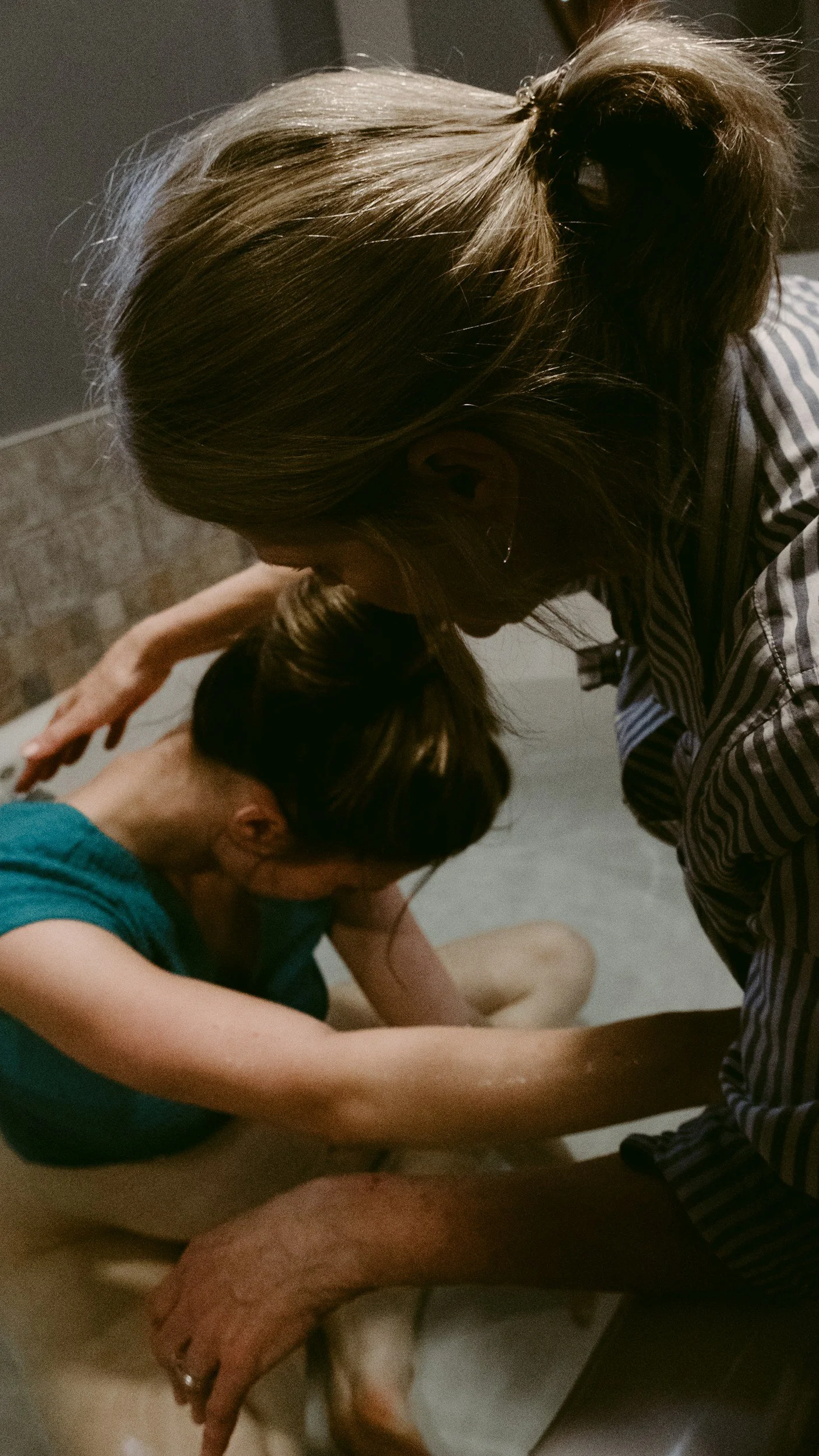
"The best way to find your doula is to meet them in person or virtually and see if your energy aligns. Trust your intuition in the way you can trust your body during your birth”
Bonnie Slater, a doula with 30 years of experience and founder of Doulas of Boulder
What to Look for When Hiring a Doula
Finding the right doula is about more than credentials—it's about finding someone you connect with and trust. When interviewing doulas, consider:
Experience and training: How many births have they attended? What training have they received?
Philosophy: Do their values around birth align with yours?
Availability: What's their backup plan if they're unavailable when you go into labor?
Communication style: Do you feel heard and respected by them?
Practical details: What's their fee? What's included? Do they offer payment plans? Do they accept your insurance or Carrot, Maven, or another fertility insurance benefit offered by some employers
Many doulas offer a free or low-cost initial consultation. Use this time to see if you feel comfortable with them—trust your gut!
When to Hire a Birth Doula

Most families hire a doula during the second trimester, though it's never too late! If you know you definitely want a birth doula you might even start the conversation in the first trimester. I have so many second time parents who joke that they called their birth doula to hire them again even before they tell their family they are pregnant! The earlier you connect, the more time you have to build a relationship and discuss your birth preferences.
If you didn’t know about birth doula until later in pregnancy you should definitely still reach out! Some doulas will still have availability even when you are in your third trimester.
Check out our resource page to start your research on a local doula who is a match for you. There are far more doulas in our community than we have met so this list is not comprehensive, but can certainly help you to get started with reliable trusted individuals or teams of doulas.
Doulas Work Beautifully with Other Support
Doulas work wonderfully alongside other forms of pregnancy support. Many of my clients combine doula support with prenatal massage, chiropractic care, and prenatal yoga. Each modality addresses different needs: massage eases physical tension, chiropractic optimizes alignment, yoga builds strength and mindfulness, and doulas provide labor-specific support and advocacy.
If you're creating your birth team, consider how different professionals can work together to support you comprehensively.
The Bottom Line on Birth Doula Support

Giving birth is likely one of the most intense physical and emotional experiences you'll ever have. Having someone by your side who is trained, experienced, calm, and completely focused on supporting you can make an enormous difference in how you experience labor—regardless of how your birth unfolds.
A doula won't guarantee you the "perfect" birth (because that doesn't exist!), but they will ensure you feel supported, informed, and empowered throughout the process. For many families, that support is absolutely invaluable.
Whether you're planning a home birth, birth center delivery, or hospital birth—whether you want an epidural or hope to go unmedicated—a birth doula can enhance your experience and help you feel more confident as you approach one of life's most transformative moments.
Have you worked with a birth doula? I'd love to hear about your experience! Share your story next time you're in for a massage, or send me an email at hello@mountainmamamassage.com.
You deserve to feel supported as you bring your baby into the world. 💞